Your Journey to Better Health Begins Here
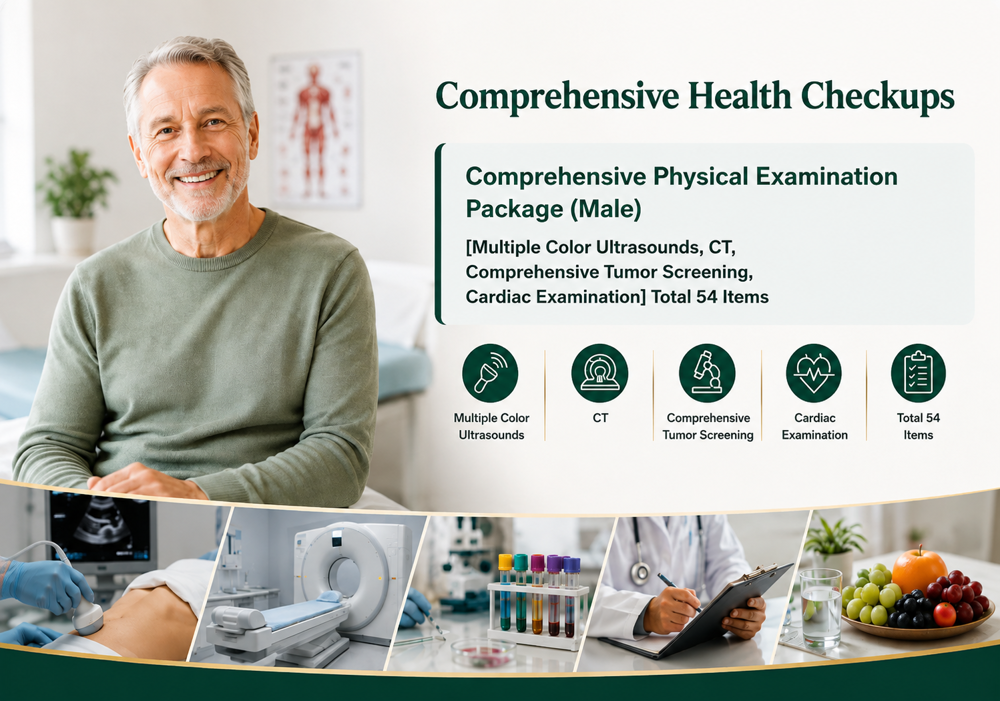
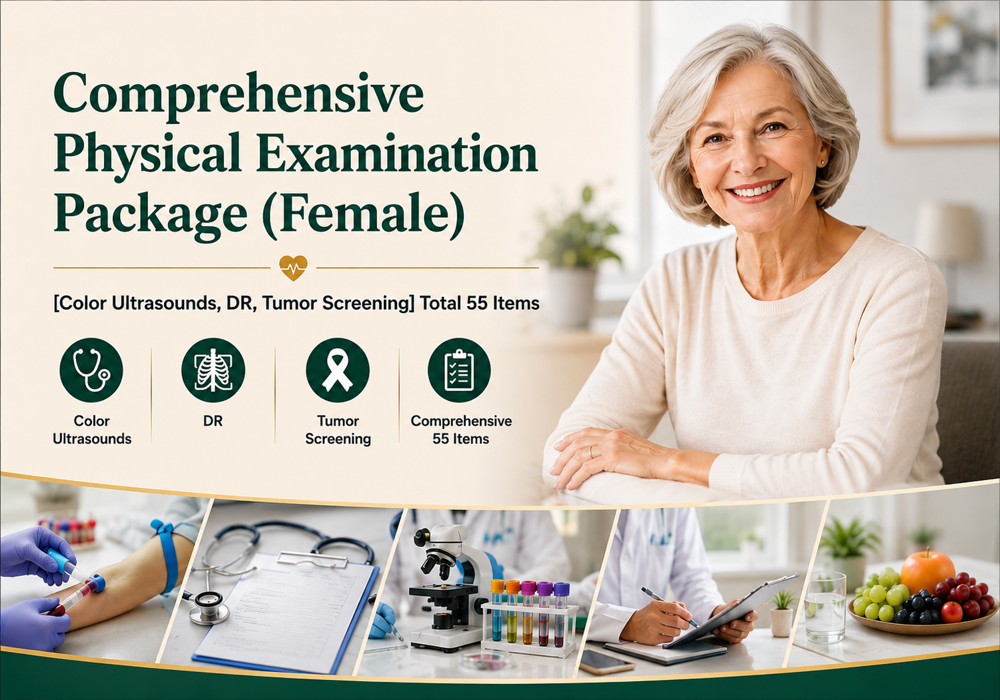
China Health Getaway combines comprehensive preventive health screenings
with traditional Chinese wellness experiences. Our goal is to make the
experience comfortable, private, and easy to navigate with English-speaking
support throughout your journey.
A Health & Wellness Experience
Your China Health Getaway is designed to be more than sightseeing.
Depending on the selected package, your journey can include professional
preventive health screening, Traditional Chinese Medicine wellness services,
therapeutic massage, relaxing foot baths, and traditional ear cleaning.
Your private guide helps with communication, transportation, appointments,
and understanding the process so you can focus on enjoying your trip.
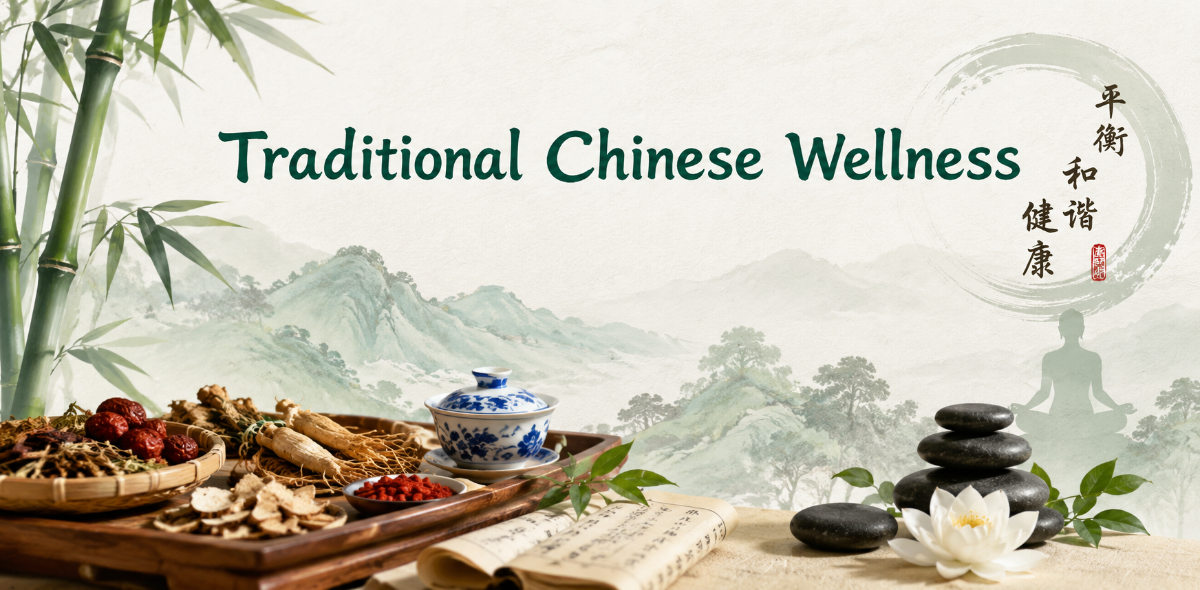
Traditional Chinese Wellness
Traditional Chinese Medicine (TCM)
Traditional Chinese Medicine (TCM) is an ancient holistic healthcare
system originating in China over 2,000 years ago. It views the body as
an interconnected whole governed by the flow of vital energy called Qi,
along with the balance of Yin and Yang and the Five Elements. TCM
emphasizes prevention, treating the root cause of imbalance rather than
just symptoms, through methods that restore harmony between body, mind,
and environment. Diagnosis often involves pulse reading, tongue
observation, and questioning. Core practices include herbal medicine,
diet, exercise (such as Tai Chi), and various external therapies. These
approaches aim to promote self-healing, improve circulation, relieve pain,
and enhance overall vitality without relying solely on modern
pharmaceuticals.
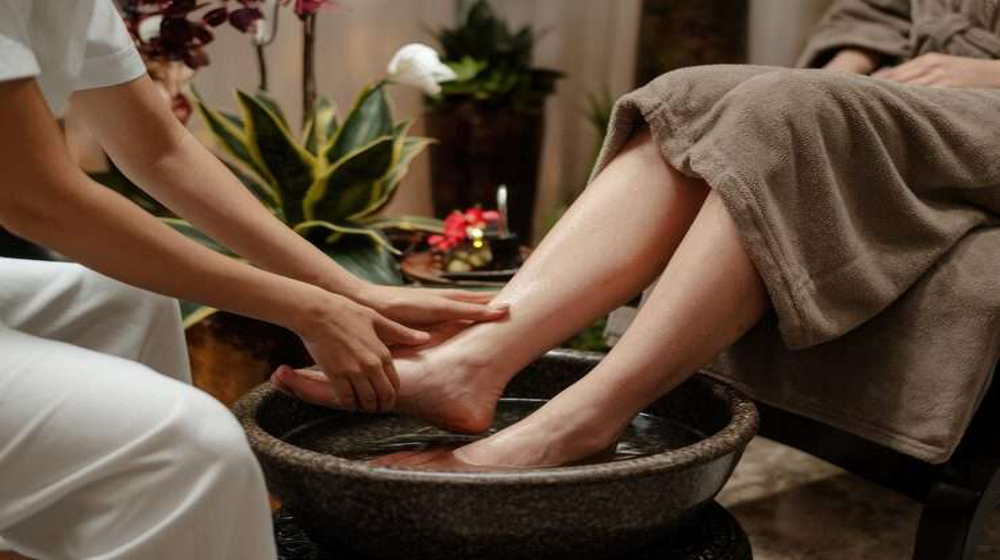
Foot Bath (Zu Yu)
Foot bathing involves soaking the feet in warm water, often infused with
Chinese herbs, essential oils, or salts. According to TCM theory, the feet
contain numerous acupuncture points and meridians that connect to internal
organs. Warm water dilates blood vessels, improves circulation, and helps
expel cold and dampness from the body. Herbal additives may target
specific conditions such as insomnia, cold extremities, fatigue, or
digestive issues. A typical session lasts 15–30 minutes before bedtime.
Regular foot baths can promote relaxation, support better sleep, ease
muscle tension in the lower body, and gently stimulate Qi flow. It is a
simple, accessible self-care method suitable for most people, though those
with open wounds, severe diabetes, or high fever should exercise caution
or consult a practitioner.
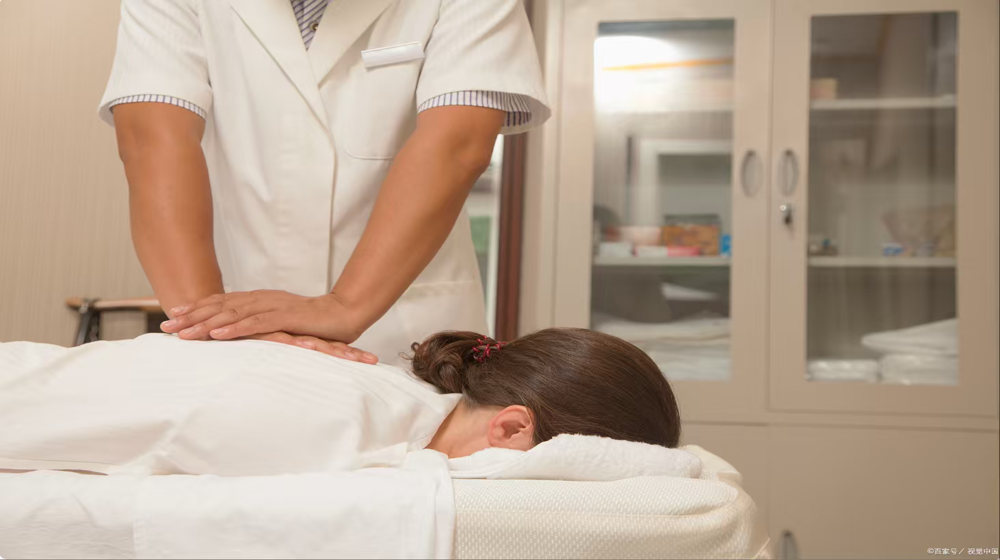
Full-Body Massage (Tui Na or An Mo)
Full-body massage in TCM, commonly known as Tui Na, uses hand techniques
such as pushing, grasping, kneading, rubbing, and pressing along meridians
and acupoints. Practitioners apply rhythmic pressure to regulate Qi and
blood circulation, relax muscles, and release blockages. Sessions
typically last 45–90 minutes and may focus on the entire body or specific
problem areas. Benefits include relief from musculoskeletal pain, improved
flexibility, reduced stress, better organ function, and enhanced energy
levels. Tui Na differs from Western massage by incorporating TCM
diagnostic principles and meridian theory. It is often combined with
other therapies and is suitable for conditions ranging from chronic pain
and sports injuries to internal imbalances like digestive disorders or
insomnia, provided no acute inflammation or fractures are present.
Cupping (Ba Guan or Huo Guan)
Cupping involves placing glass, bamboo, or silicone cups on the skin to
create a vacuum that draws tissue upward. Traditional fire cupping uses a
flame to heat the air inside the cup before application, while modern
versions use suction pumps. The negative pressure promotes blood flow,
loosens fascia, and draws out stagnation or “toxins.” Marks left behind
are temporary circular discolorations that fade within days. Cupping is
commonly used for back pain, neck stiffness, respiratory issues, muscle
knots, and certain inflammatory conditions. Sessions usually last
5–15 minutes. It is believed to invigorate Qi, dispel cold and dampness,
and accelerate recovery. Practitioners select points carefully; the method
is generally safe when performed by trained therapists, though it is
avoided on broken skin, during pregnancy on certain areas, or for people
with bleeding disorders.
Gua Sha (Scraping Therapy)
Gua Sha uses a smooth-edged tool—often made of jade, horn, or metal—to
scrape lubricated skin in long strokes along meridians or muscle groups.
The technique intentionally creates temporary petechiae or “sha” (reddish
or purplish marks) that indicate the release of stagnation. It is
traditionally applied to the back, neck, shoulders, or limbs. Gua Sha
aims to improve microcirculation, reduce inflammation, relieve pain, and
clear pathogenic factors such as wind or heat. Common applications
include treating muscle tension, headaches, colds, fever, and chronic
pain syndromes. A session typically lasts 10–20 minutes. The marks usually
resolve in a few days. When done correctly with proper lubrication and
moderate pressure, it is safe and effective; it should not be performed
over open wounds, thin skin, or in cases of severe bleeding disorders.
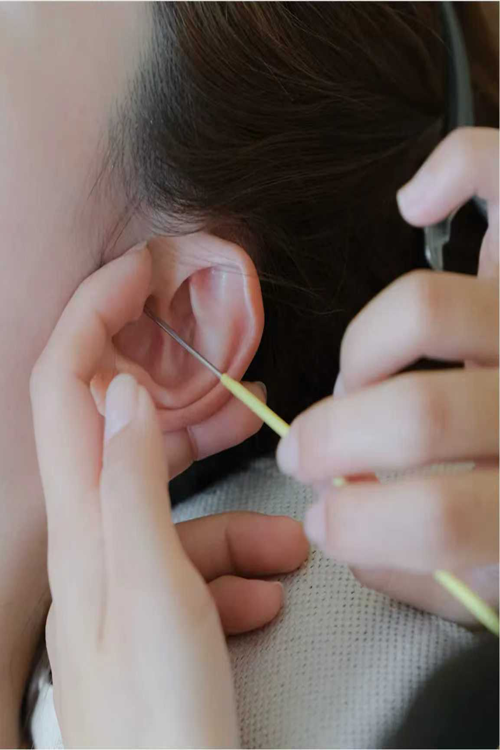
Acupuncture (Zhen Jiu – Needling Component)
Acupuncture inserts fine, sterile needles into specific points along the
body’s meridians to regulate Qi flow and restore balance. Points are
selected based on TCM diagnosis of the individual’s pattern of
disharmony. Needles may be left in place for 15–30 minutes and sometimes
gently manipulated or combined with mild electrical stimulation. Modern
research supports its effectiveness for pain management, nausea,
migraines, osteoarthritis, and certain neurological and digestive
conditions. From the TCM perspective, it unblocks meridians, harmonizes
Yin and Yang, and strengthens the body’s defensive energy. Side effects
are rare when performed by licensed practitioners using single-use
needles. Acupuncture is widely practiced worldwide and is often integrated
with other TCM modalities for comprehensive treatment plans tailored to
the patient.
Moxibustion (Ai Jiu)
Moxibustion involves burning dried mugwort (Artemisia vulgaris, known as
Ai Ye) near or on acupuncture points to warm the meridians and invigorate
Qi and blood. The moxa may be shaped into cones, sticks, or attached to
needles (warm-needle technique). Heat penetrates deeply, making it
especially useful for conditions involving cold, deficiency, or
stagnation—such as chronic pain, digestive weakness, menstrual disorders,
or low energy. Direct moxibustion places small cones on the skin
(sometimes with a barrier), while indirect methods hold a glowing stick
above the point. Sessions produce a comfortable warming sensation without
burning when properly controlled. Benefits include improved circulation,
relief of cold-type symptoms, and enhancement of overall vitality. It is
contraindicated in cases of high fever, excess heat patterns, or near
inflamed areas, and should always be administered by trained practitioners
to ensure safety.