
Explore Chengdu
Discover some of the extraordinary places, culture, history, scenery, and experiences available during your Chengdu journey. Click any photo to view the full-size image.
1. Dujiangyan
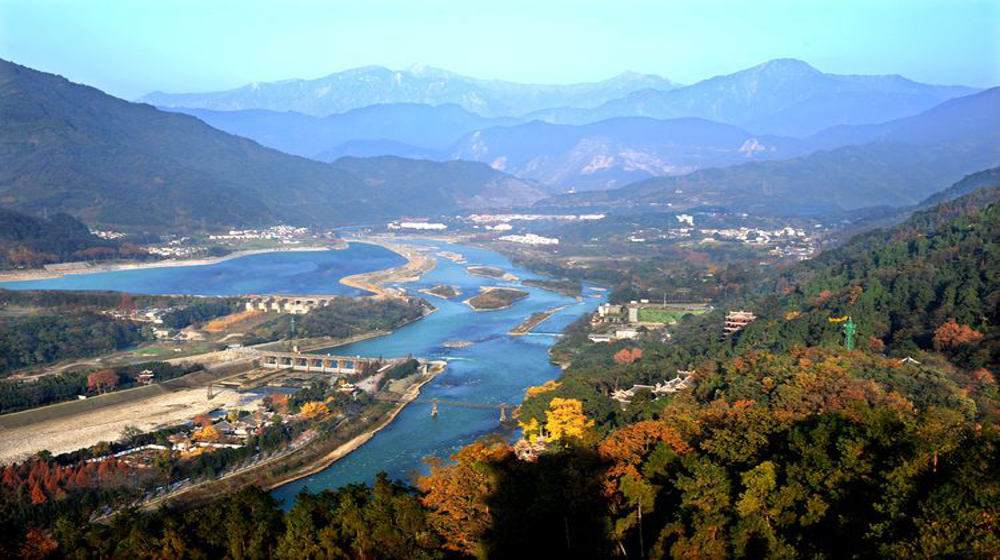
Dujiangyan is one of China’s greatest engineering achievements and one of the most important historic sites near Chengdu. Built around 256 BC by Li Bing and his son during the Qin Dynasty, this extraordinary irrigation and flood-control system has been operating for more than 2,300 years.
Recognized as a UNESCO World Heritage Site, Dujiangyan diverts the Min River without using a traditional dam. Its ingenious design helped control flooding while providing water to the fertile Chengdu Plain, helping create the region known as the “Land of Abundance.”
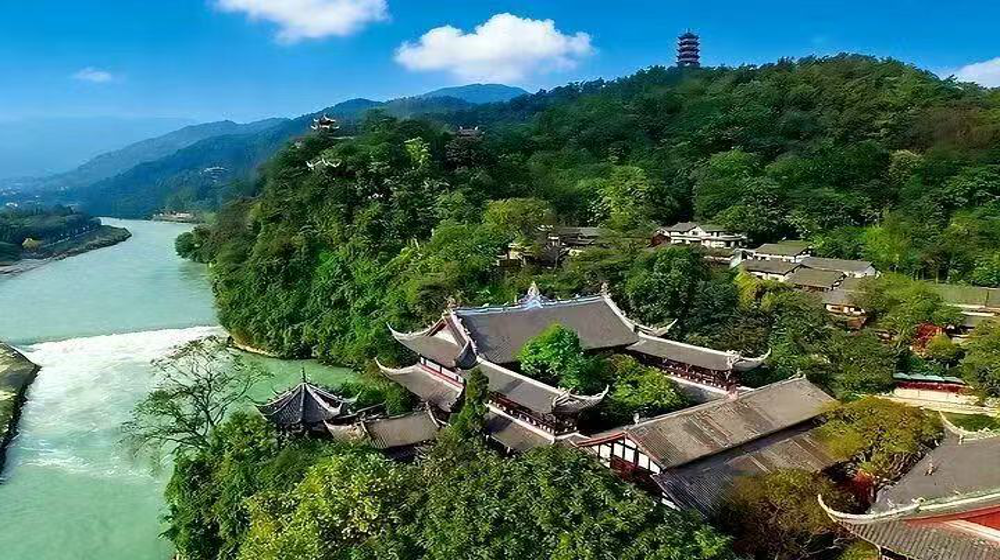
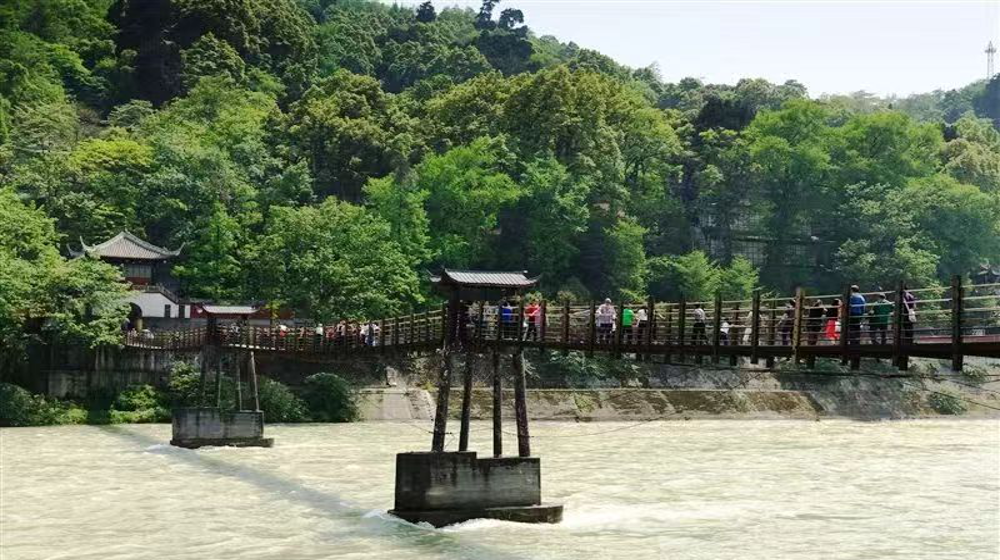
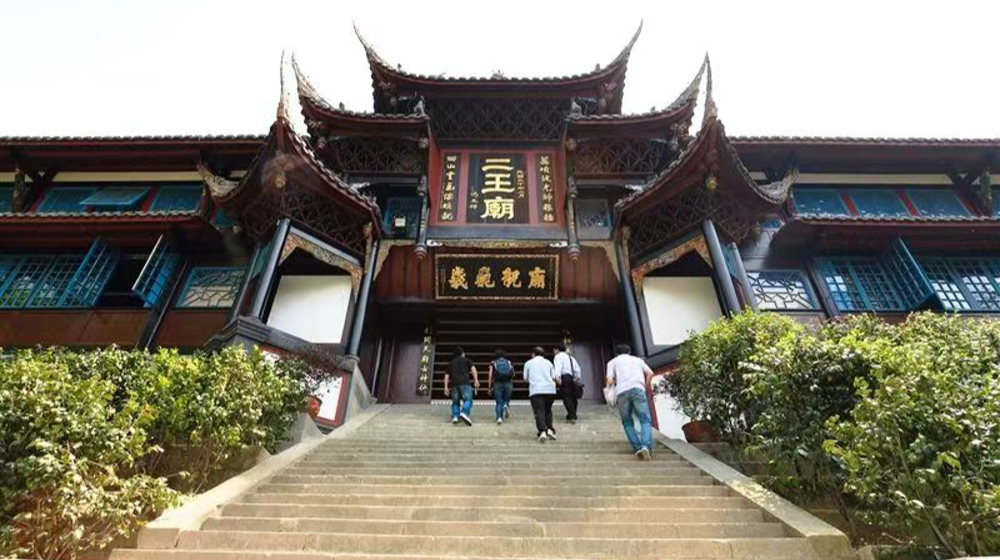
Visitors can explore important landmarks including the Fish Mouth levee, Anlan Suspension Bridge, and Erwang Temple while enjoying beautiful river and mountain scenery.
Combining ancient engineering, history, culture, and natural beauty, Dujiangyan remains both a functioning water-management system and one of the Chengdu region’s most fascinating attractions.
2. Jinli Ancient Street
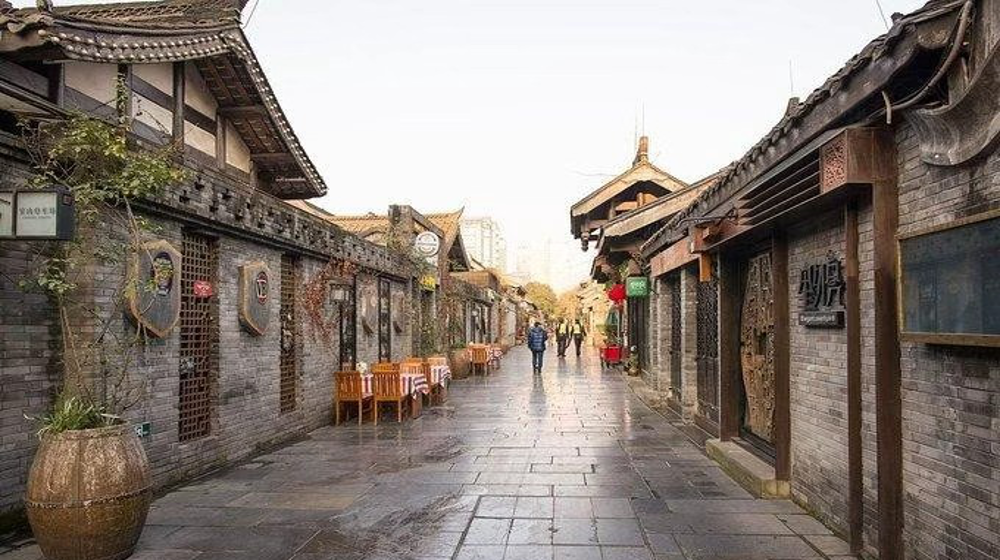
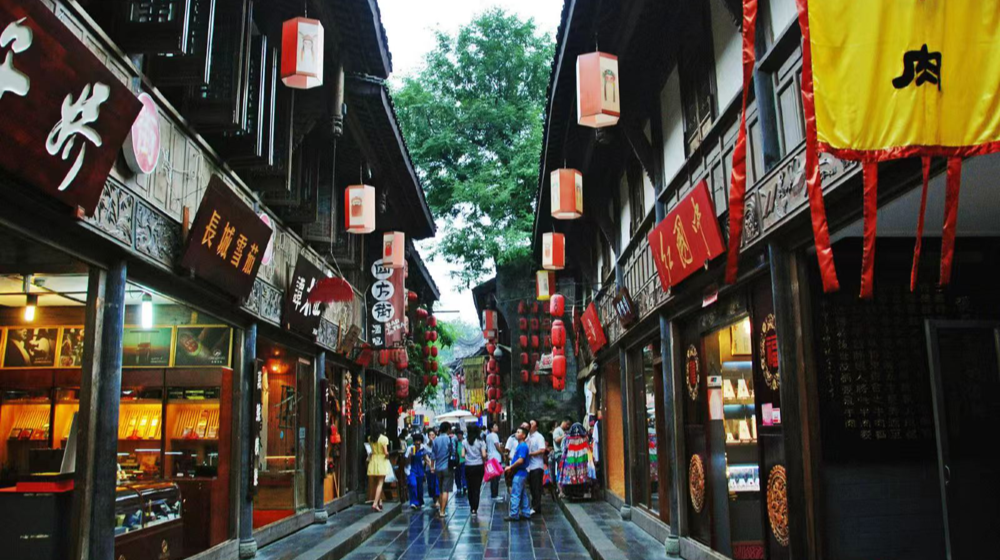
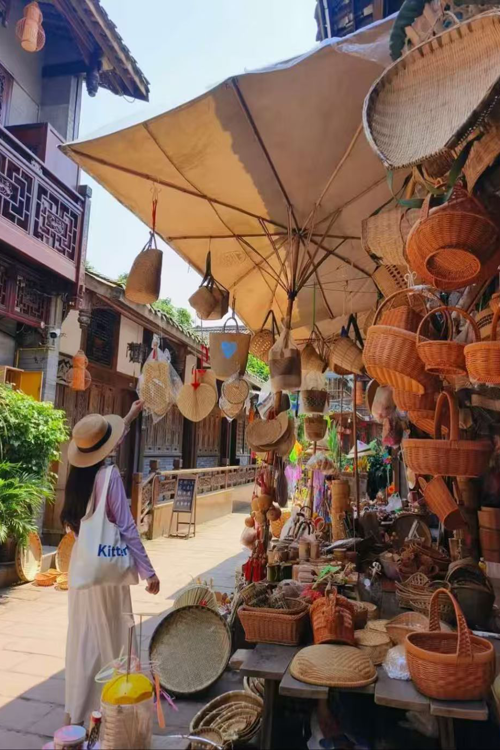
Jinli Ancient Street is a lively pedestrian street next to Wuhou Shrine in Chengdu’s Wuhou District.
Rebuilt in 2004 in the architectural style of late Qing and early Republican-era Sichuan, the street stretches approximately 550 meters and celebrates Three Kingdoms culture and traditional local life.
Known as the “First Street of Western Shu,” Jinli is lined with glowing red lanterns, traditional teahouses, handicraft shops, Shu embroidery, and food stalls serving classic Sichuan snacks.
The street is free to enter and is especially atmospheric in the evening, when its lanterns illuminate the traditional-style buildings and narrow walkways.
Jinli Ancient Street offers visitors an immersive introduction to Chengdu’s history, food, culture, and famously relaxed lifestyle.

3. Chengdu Research Base of Giant Panda Breeding
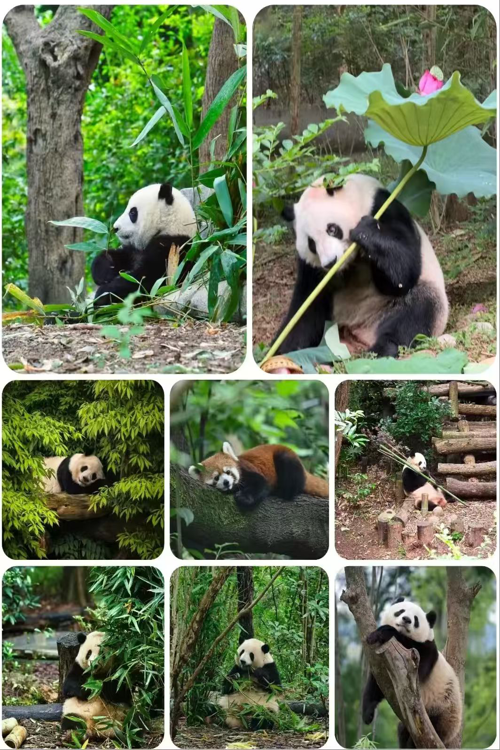
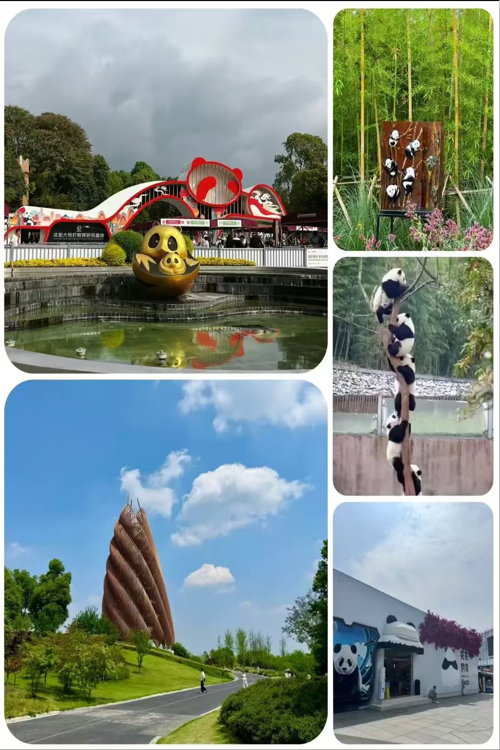
The Chengdu Research Base of Giant Panda Breeding is one of Chengdu’s most famous attractions and a leading center dedicated to the conservation, breeding, research, and protection of giant pandas.
Founded in 1987, the center provides spacious, naturalistic habitats where visitors can observe giant pandas eating bamboo, playing, resting, and interacting with their surroundings.
Set among beautiful forests and landscaped grounds, the Panda Base also gives visitors an opportunity to learn about conservation efforts and the work being done to protect this beloved species.
The center has played an important role in giant panda conservation and has become a must-see experience for visitors to Chengdu.


4. Wide and Narrow Alleys
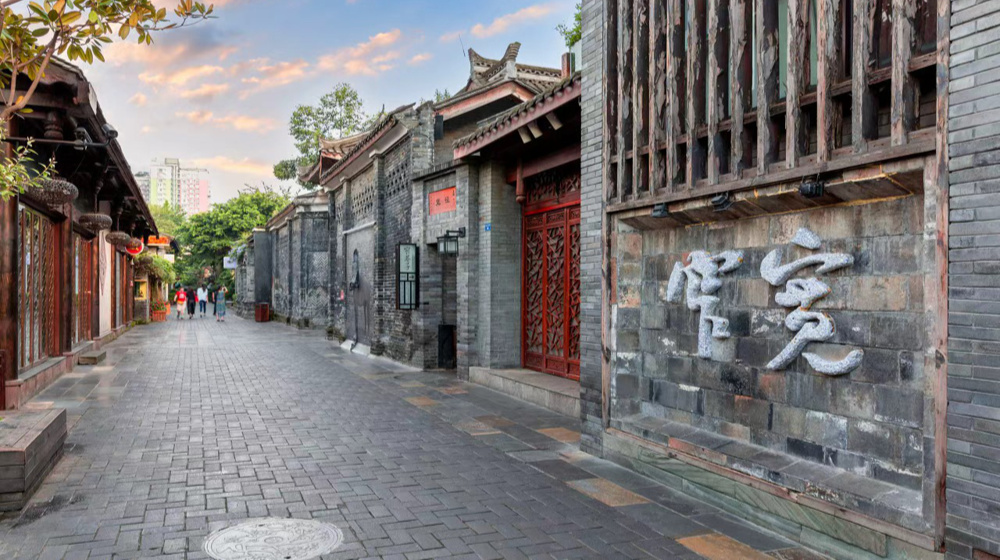
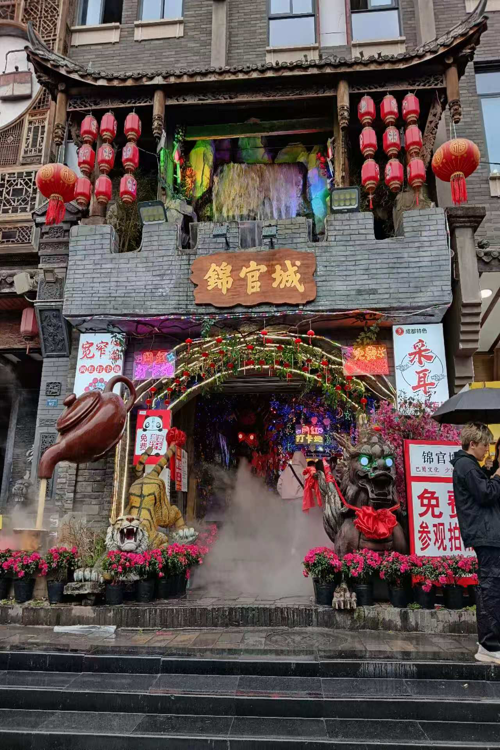
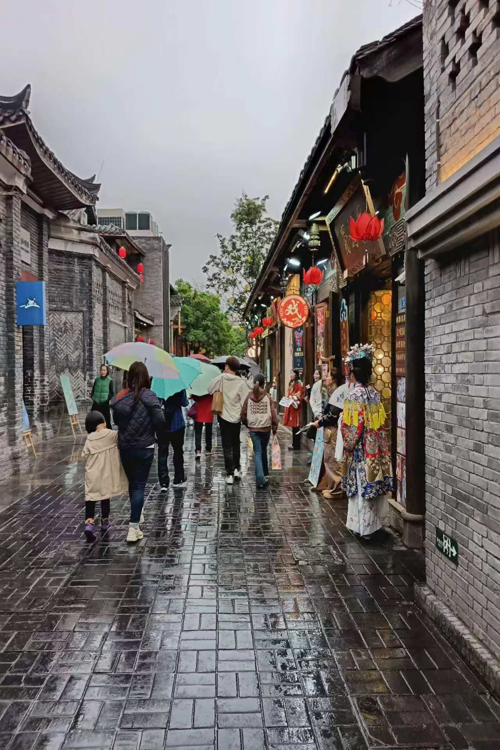
Kuanzhai Alleys, also known as the Wide and Narrow Alleys, is a historic district in Chengdu dating back to the Qing Dynasty.
The area consists of three parallel lanes—Wide Alley, Narrow Alley, and Well Alley—featuring traditional Sichuan courtyard architecture.
Today, the district beautifully combines the atmosphere of old Chengdu with modern leisure and entertainment. Visitors can explore traditional teahouses, Sichuan restaurants, bars, specialty shops, local crafts, and stalls offering popular Chengdu snacks.
It is an excellent place to experience Chengdu’s famously relaxed lifestyle while enjoying historic architecture, local food, shopping, and nightlife.
5. Qingcheng Mountain
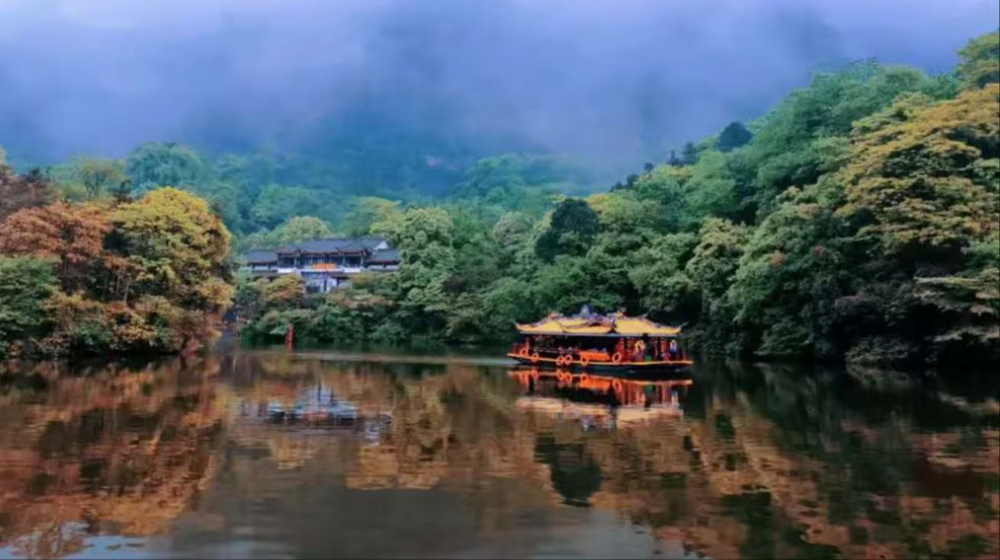
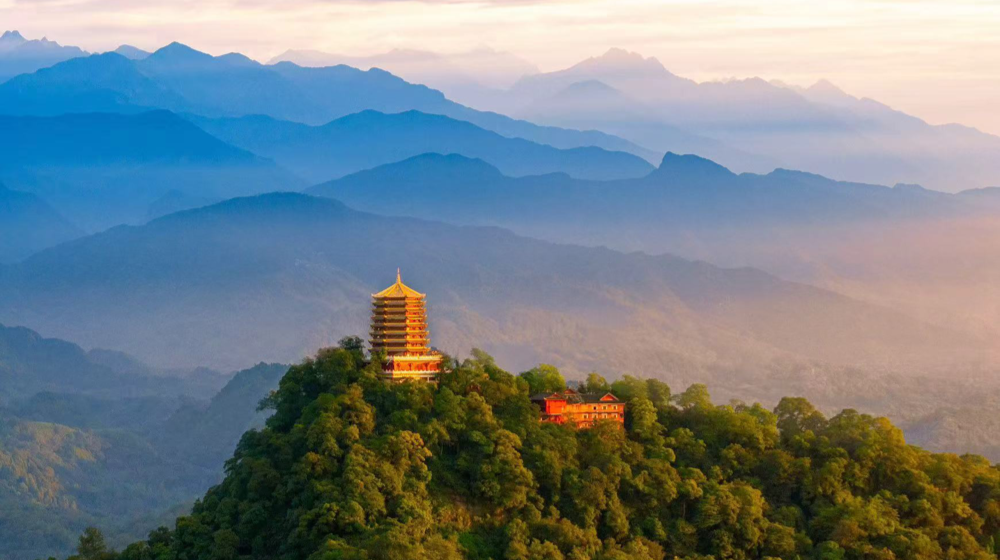
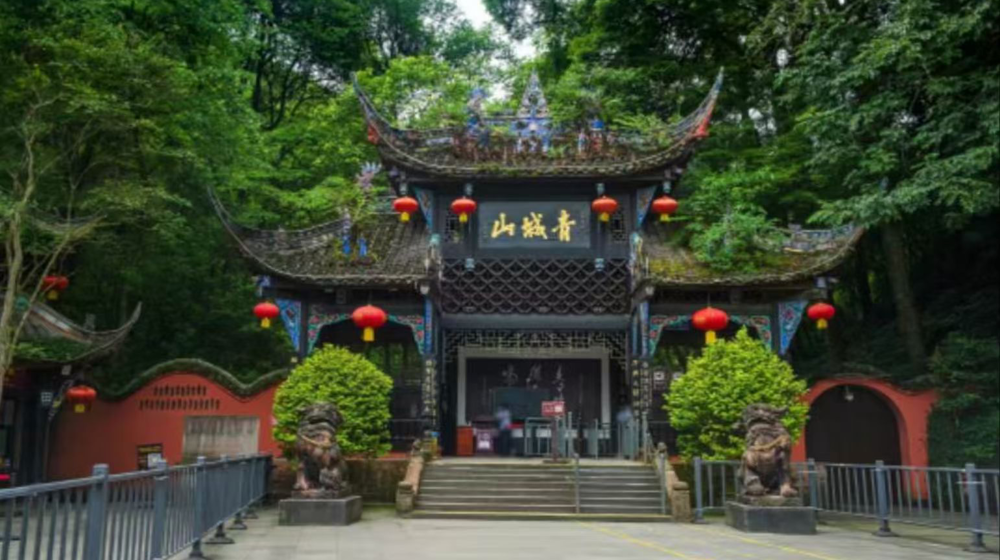
Qingcheng Mountain, located near Chengdu in Sichuan, is a sacred Taoist site and UNESCO World Heritage location.
Known as one of the cradles of Chinese Taoism, the mountain has attracted spiritual seekers for centuries.
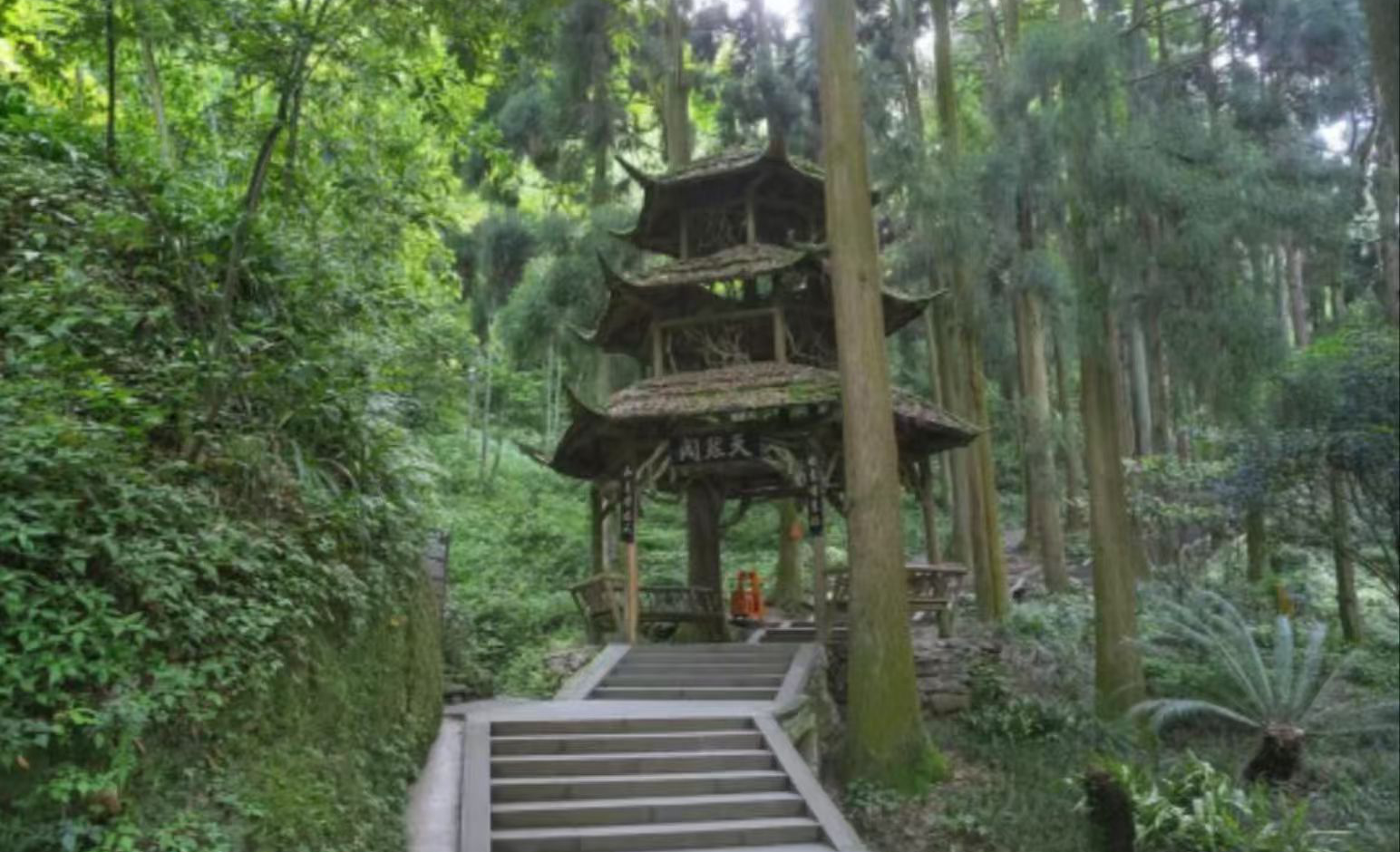
Its name means “Green City,” reflecting the lush forests and peaceful natural scenery covering the mountain. Ancient Taoist temples, quiet pathways, and beautiful landscapes create a serene atmosphere away from the bustle of the city.
Visitors can enjoy peaceful hiking, explore historic temples, experience traditional Taoist culture, and take in the mountain’s remarkable natural beauty.
6. Sichuan Opera Face-Changing
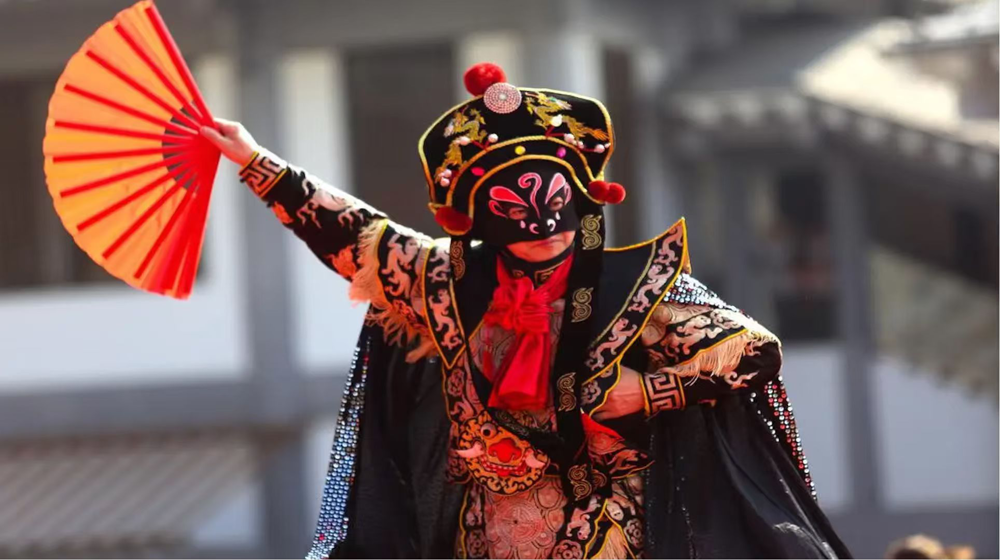
Sichuan Opera’s famous face-changing performance, known as Bian Lian, is one of the most fascinating traditional arts of Sichuan Province.
During the performance, skilled artists appear to instantly change their brightly colored masks with a wave of the hand, turn of the head, or another subtle movement.
Each new face can represent a different emotion, personality, or identity.
The techniques behind Bian Lian are traditionally closely guarded secrets, adding to the mystery of the performance.
Combining remarkable skill, speed, colorful costumes, music, and theatrical tradition, face-changing has become one of the most memorable cultural experiences for visitors to Chengdu.
7. The Leshan Giant Buddha
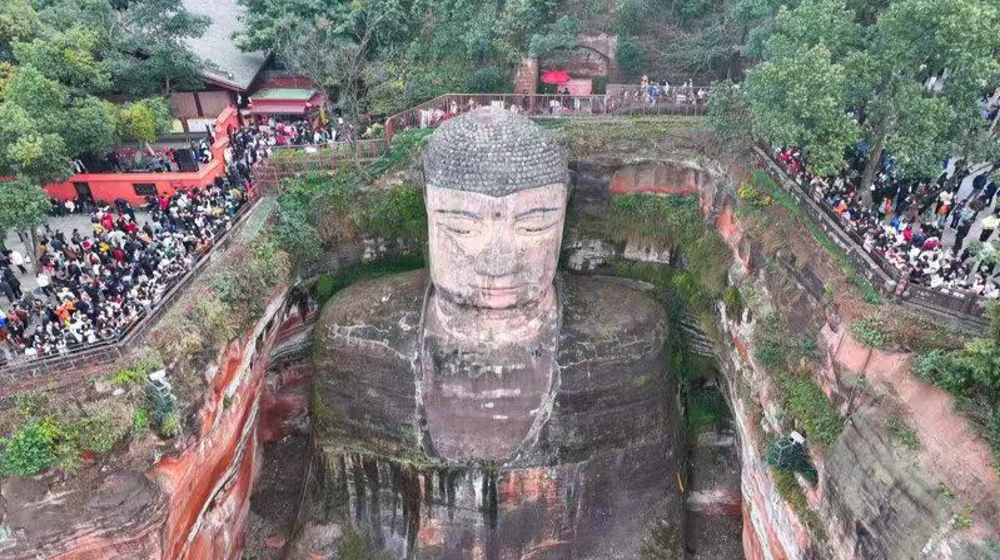
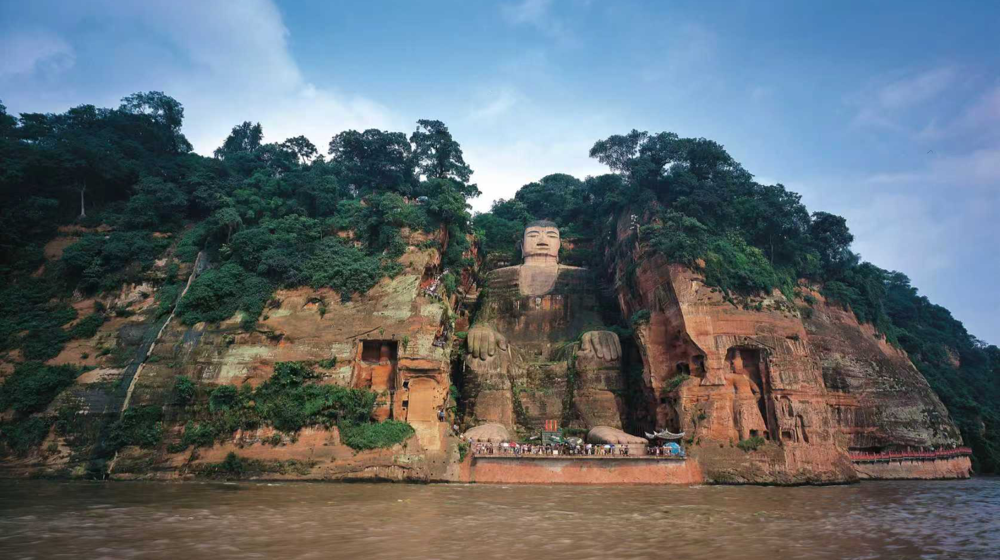
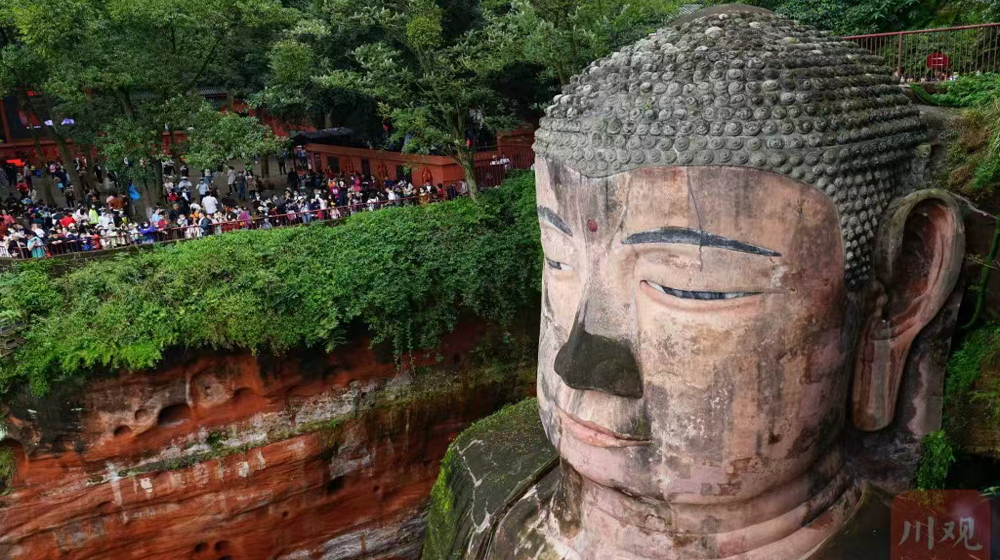
The Leshan Giant Buddha, located in Leshan, Sichuan, is the world’s largest stone Buddha statue.
Carved directly into a riverside cliff during the Tang Dynasty between 713 and 803 AD, the enormous statue stands approximately 71 meters tall.
The Buddha was built at the confluence of three rivers with the intention of calming dangerous currents and helping protect boats traveling through the area.
Its immense scale and remarkable cliffside construction make it an impressive example of ancient Chinese engineering, craftsmanship, and religious art.
Today, the Leshan Giant Buddha is part of a UNESCO World Heritage Site within the Mount Emei Scenic Area and attracts visitors from around the world for its extraordinary size, beautiful riverside setting, and historical importance.
8. Sino-Ocean Taikoo Li
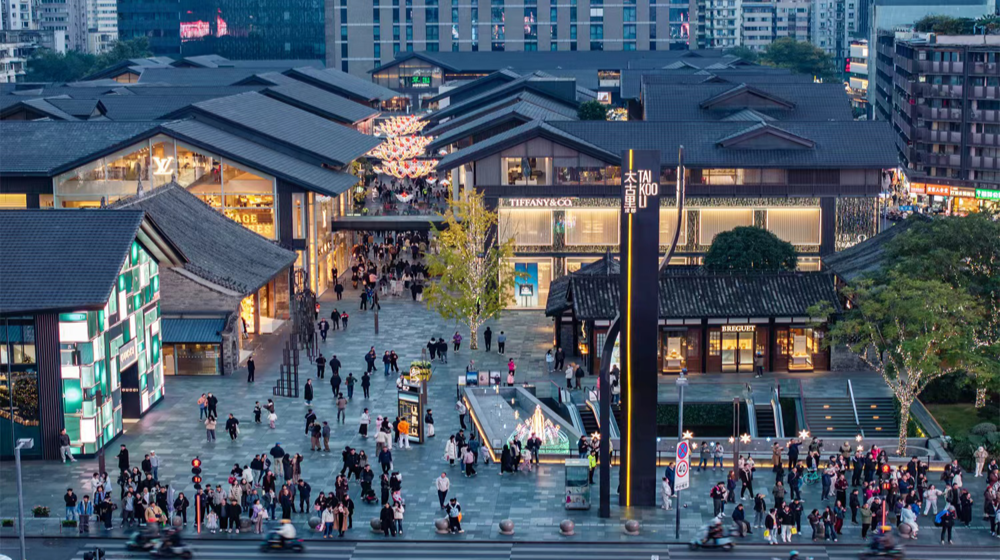
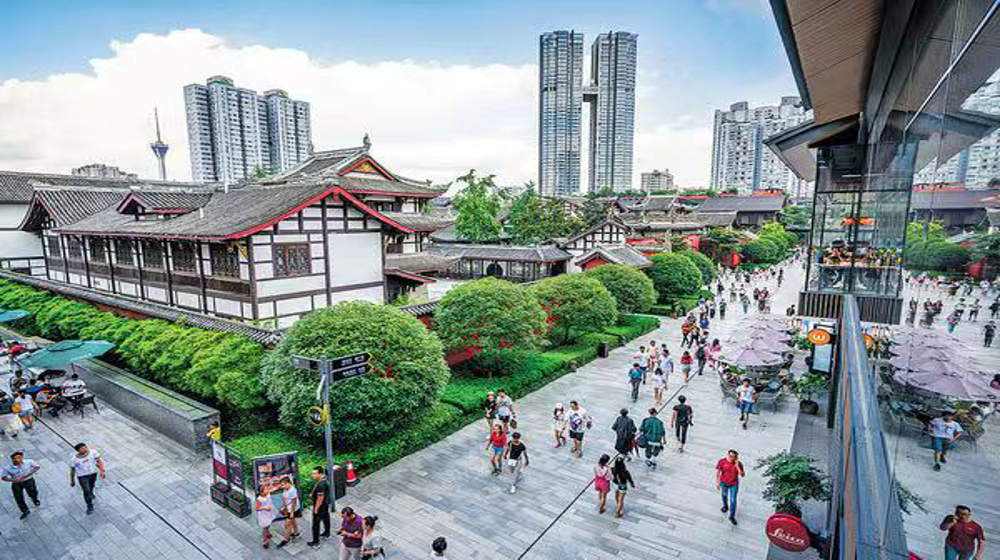
Sino-Ocean Taikoo Li Chengdu is a stylish open-air shopping and lifestyle district in the heart of Chengdu.
Opened in 2015, the development combines traditional Sichuan courtyard architecture with contemporary design and surrounds the historic Daci Temple.
Visitors can explore luxury brands, trendy boutiques, restaurants, cafés, and cultural spaces throughout its lively pedestrian setting.
The combination of historic architecture and modern city life makes Taikoo Li a popular destination for shopping, dining, strolling, and experiencing Chengdu’s unique blend of old and new.
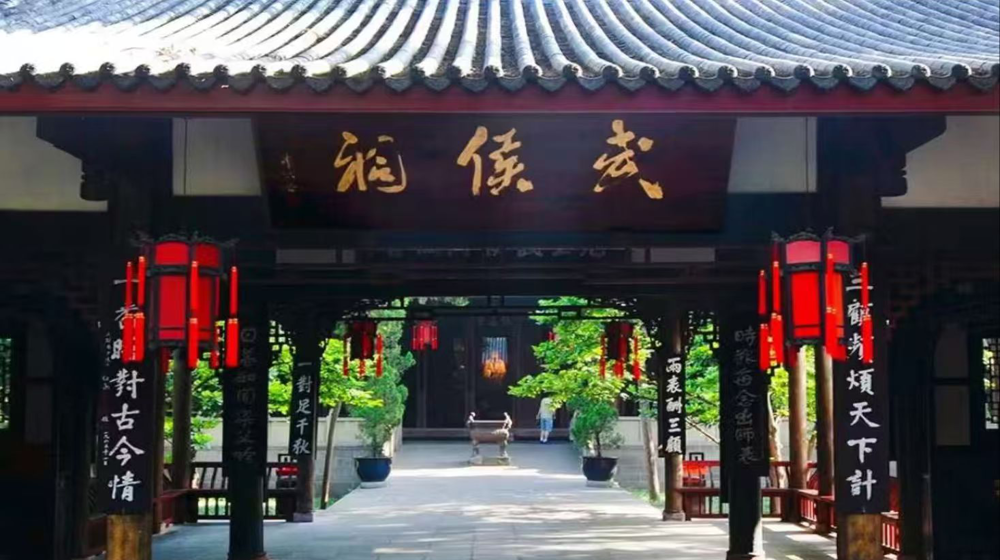
9. The Wuhou Shrine
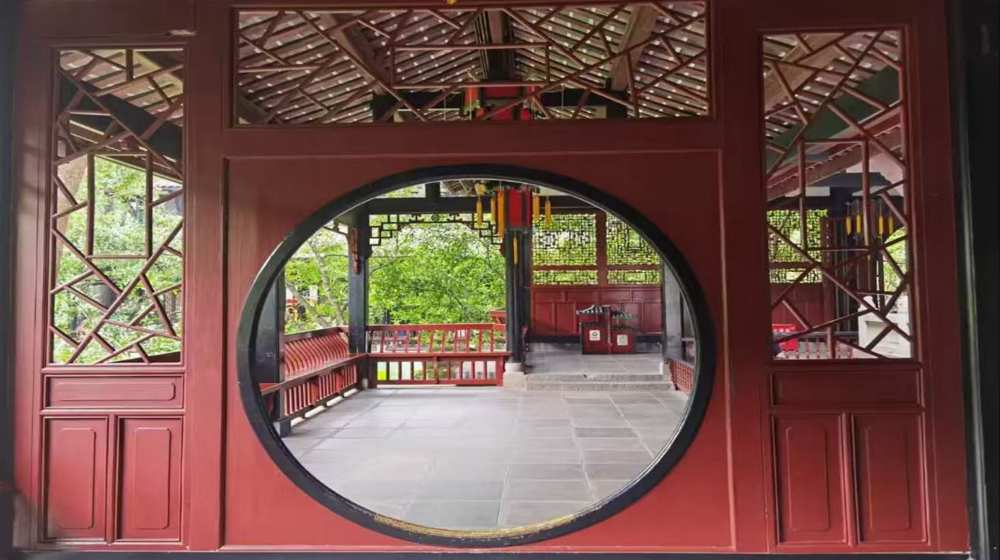
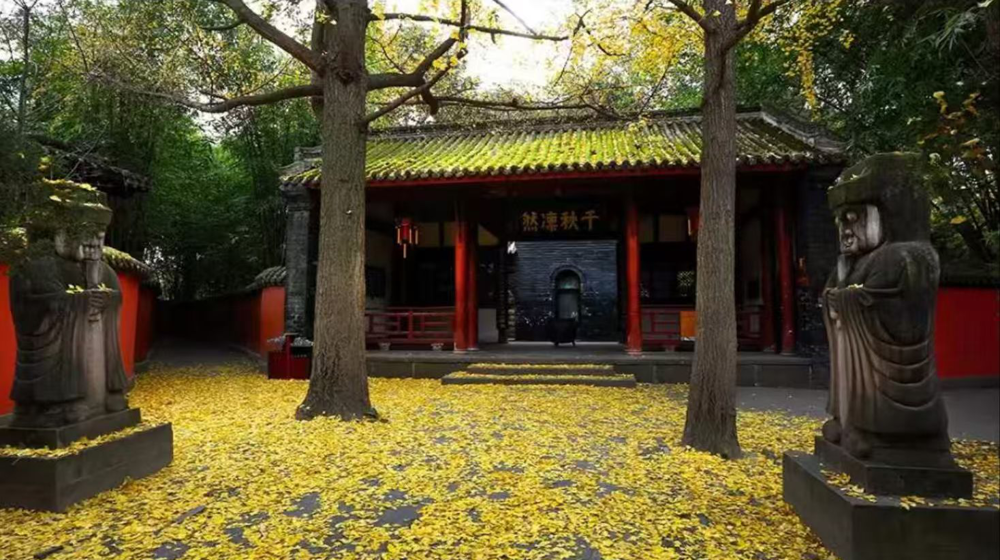
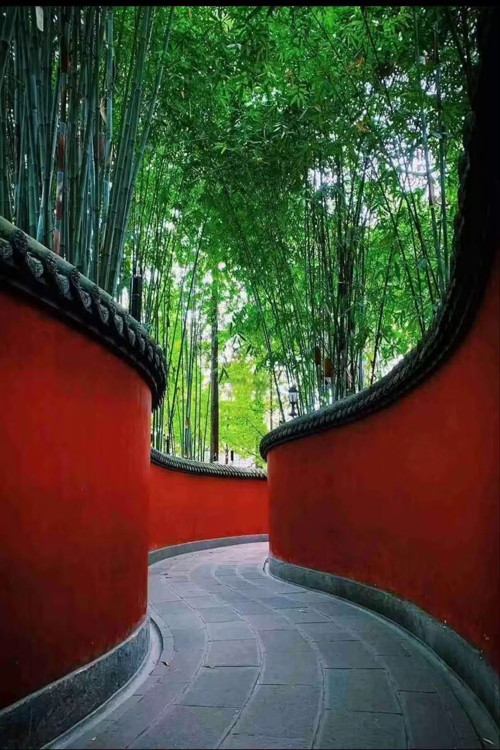
The Wuhou Shrine in Chengdu is a historic temple complex honoring Zhuge Liang, the brilliant strategist of the Three Kingdoms period, and Liu Bei, emperor of Shu Han.
It is known as the only shrine in China where an emperor and his minister are jointly worshiped, making it an especially important destination for those interested in Three Kingdoms history.
The complex features ancient halls, statues, cultural relics, beautiful traditional architecture, and the tomb of Liu Bei.
Originally established around the 3rd century and rebuilt over the centuries, the site today serves as an important museum dedicated to the history and culture of the Three Kingdoms period.
The Wuhou Shrine is one of Chengdu’s most significant historical attractions and offers visitors a fascinating look into one of the most legendary periods of Chinese history.
10. The Chengdu Twin Towers
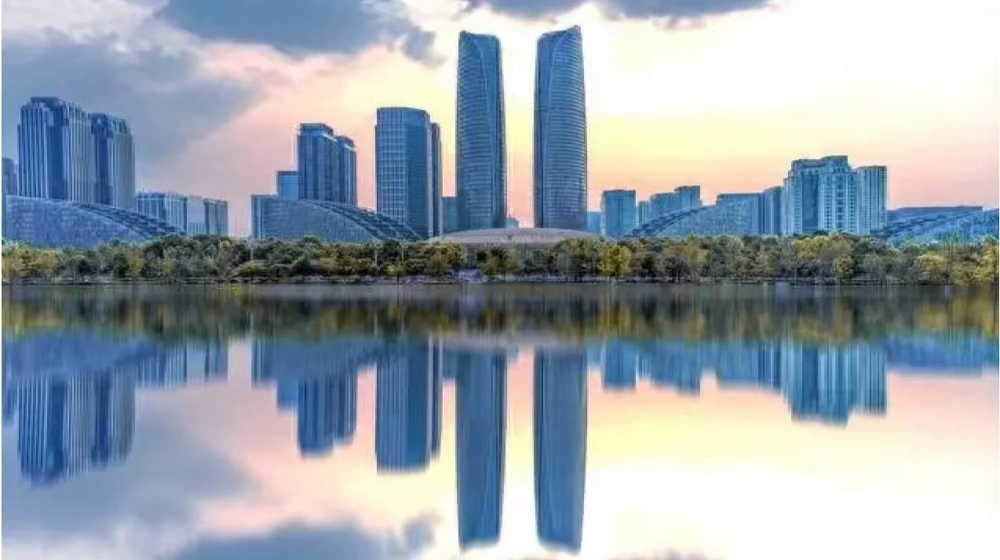
The Chengdu Twin Towers, also known as the Tianfu Twin Towers or Jiaozi Twin Towers, are striking 220-meter skyscrapers located in Chengdu’s High-tech Zone as part of the Tianfu International Financial Center.
Completed in 2020, the towers feature a distinctive “ice-flower” metal lattice design that gives them a unique appearance on Chengdu’s modern skyline.
One tower contains offices, while the other houses serviced apartments.
The towers are especially famous for their enormous building-integrated LED displays, which create spectacular synchronized light shows after dark.
With their dramatic nighttime illumination and contemporary architecture, the Chengdu Twin Towers have become a modern city landmark and popular photography destination.
11. Sanxingdui
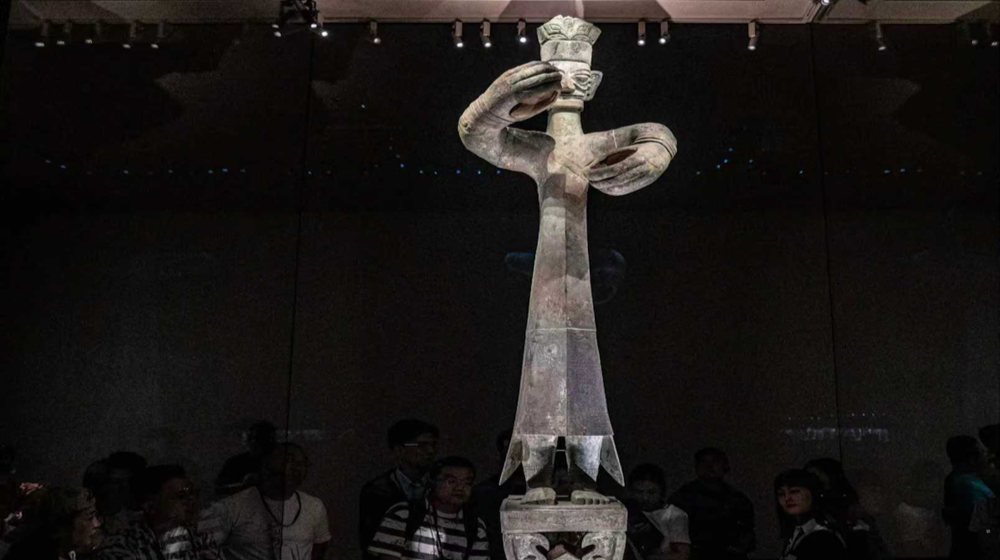
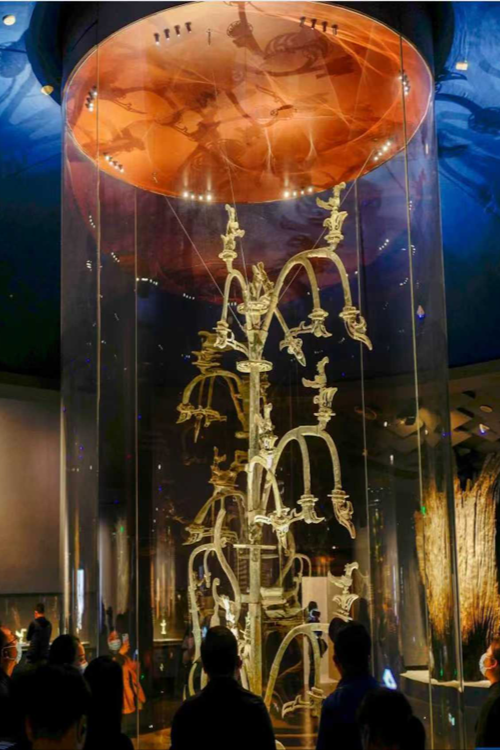
Sanxingdui, located in Guanghan, Sichuan, about 40 km north of Chengdu, is one of China’s most important archaeological sites and home to a modern museum showcasing the extraordinary discoveries made there.
The site reveals the mysterious ancient Shu civilization, dating roughly from 2800–1000 BCE.
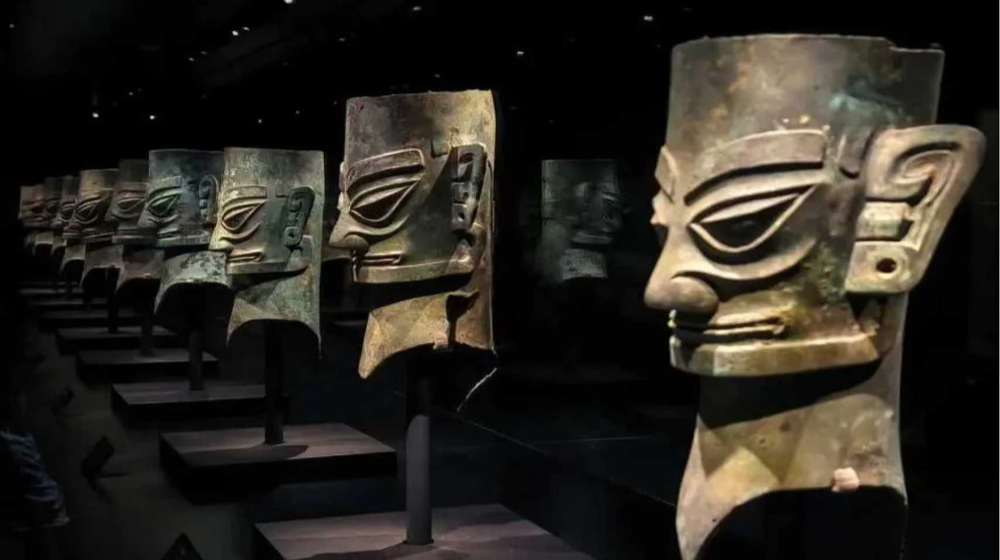
It is especially famous for remarkable Bronze Age artifacts discovered in sacrificial pits, including enormous bronze masks with protruding eyes, towering statues, elaborate sacred trees, gold objects, and ivory.
These unusual artifacts are notably different from those associated with ancient Yellow River cultures and provide evidence of a highly sophisticated and distinctive ancient kingdom.
Today, the Sanxingdui Museum displays many of these remarkable treasures, giving visitors a fascinating look into one of China’s most mysterious ancient civilizations and one of the country’s greatest archaeological discoveries.
12. Pingle Ancient Town
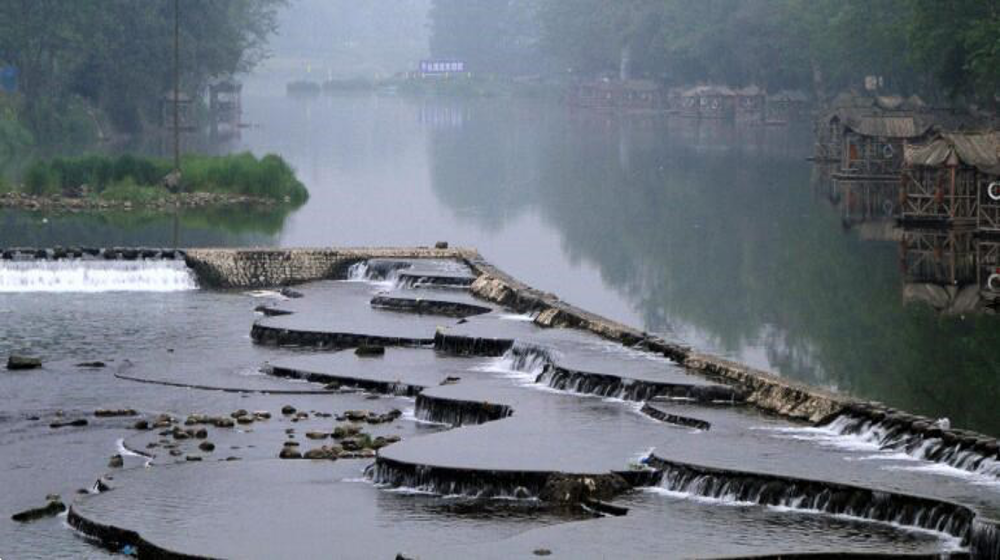
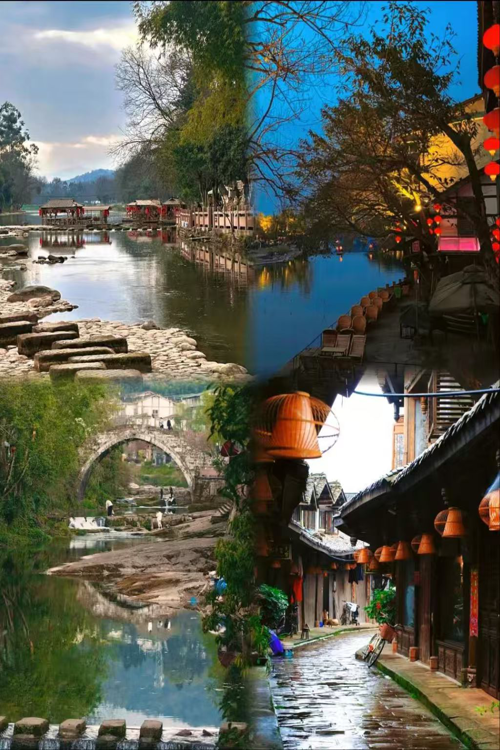
Pingle Ancient Town, located in Qionglai near Chengdu, has more than 2,000 years of history and was once an important stop along the historic Southern Silk Road.
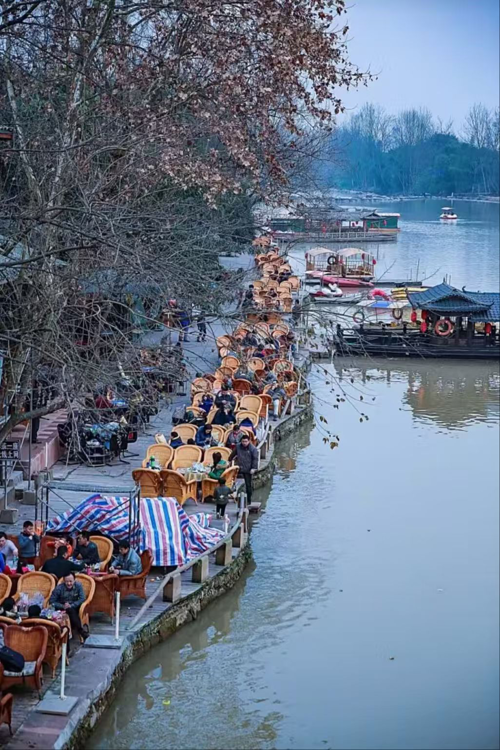
The town features beautifully preserved Ming and Qing Dynasty architecture, traditional riverside stilt houses along the Baimo River, ancient streets, stone bridges, and thousand-year-old banyan trees.
Surrounded by lush bamboo forests and peaceful natural scenery, Pingle offers visitors a relaxing escape from the modern city and an opportunity to experience the atmosphere of a traditional Western Sichuan water town.
Its combination of history, traditional culture, riverside scenery, and natural beauty makes Pingle Ancient Town a charming and peaceful destination during a Chengdu journey.
13. Jinsha Site Museum
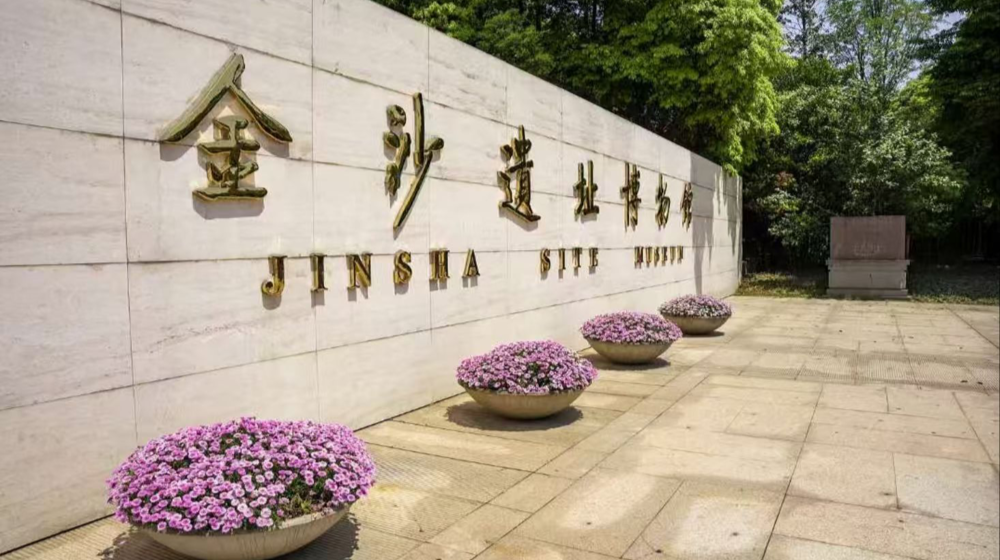
The Jinsha Site Museum in Chengdu showcases one of the region’s most important archaeological discoveries.
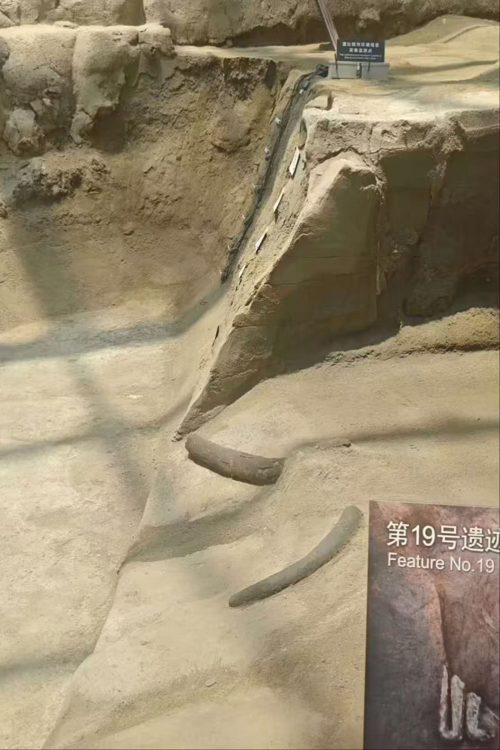
The Jinsha archaeological site was discovered in 2001 and dates to approximately 1200–650 BC.
Jinsha was an important center of the ancient Shu Kingdom following Sanxingdui, and excavations have uncovered an extraordinary collection of gold, jade, bronze, and ivory artifacts.
One of its most famous discoveries is the beautiful Golden Sun Bird, which has become an important symbol of Chinese cultural heritage.
Opened in 2007, the museum preserves portions of the original archaeological site while displaying many of the remarkable treasures discovered there.
Visitors can explore the ruins and artifacts while learning about the ancient Shu people and early civilization of the Yangtze River region.

14. The Qionglai Bamboo Sea Scenic Area
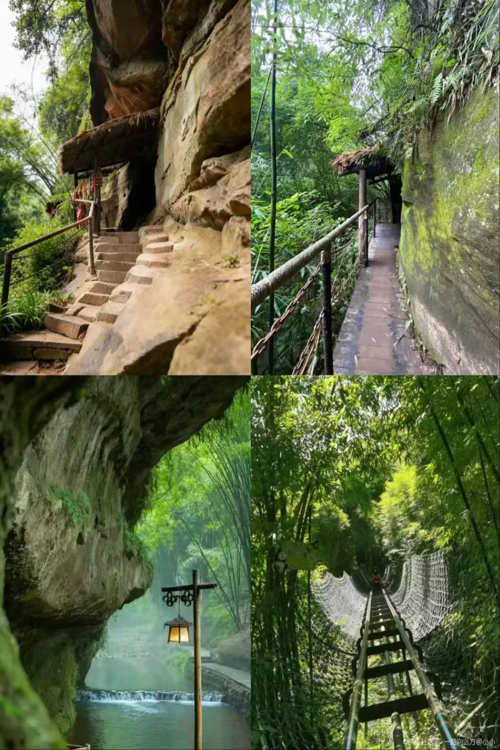
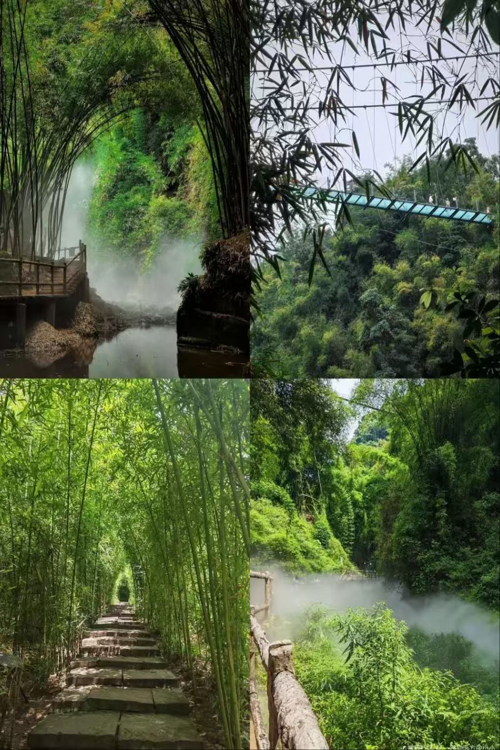
The Qionglai Bamboo Sea Scenic Area, also known as the Western Sichuan Bamboo Sea, is a National 4A-level scenic destination located in Pingle Town near Chengdu.
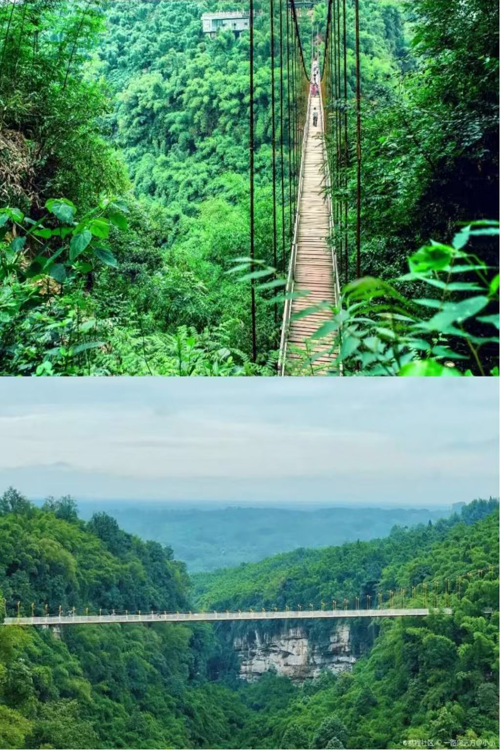
The area features vast bamboo forests, beautiful canyons, waterfalls, and dramatic Danxia cliffs.
With more than 90% vegetation coverage, the Bamboo Sea is often described as a “natural oxygen bar,” offering visitors a cool and refreshing escape surrounded by nature.
Visitors can experience high glass walkways, suspension bridges, scenic hiking trails, and other outdoor activities while exploring the lush bamboo-covered landscape.
Located approximately 1.5 hours from downtown Chengdu, the Qionglai Bamboo Sea combines adventure, beautiful scenery, and peaceful natural surroundings.
15. Sansheng Flower Township
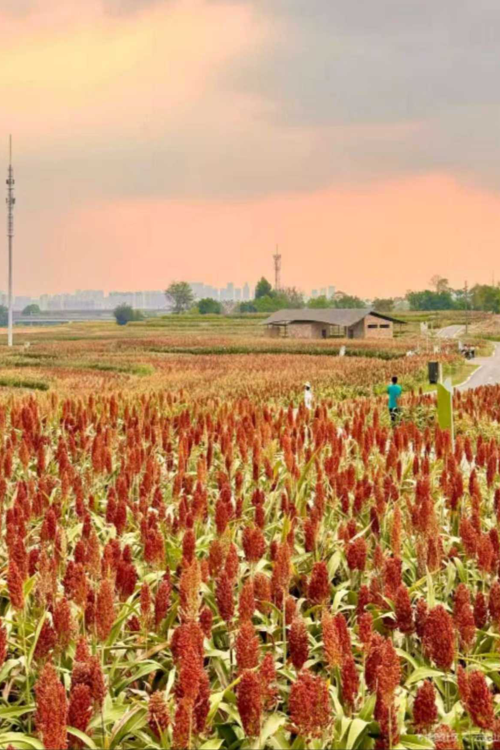
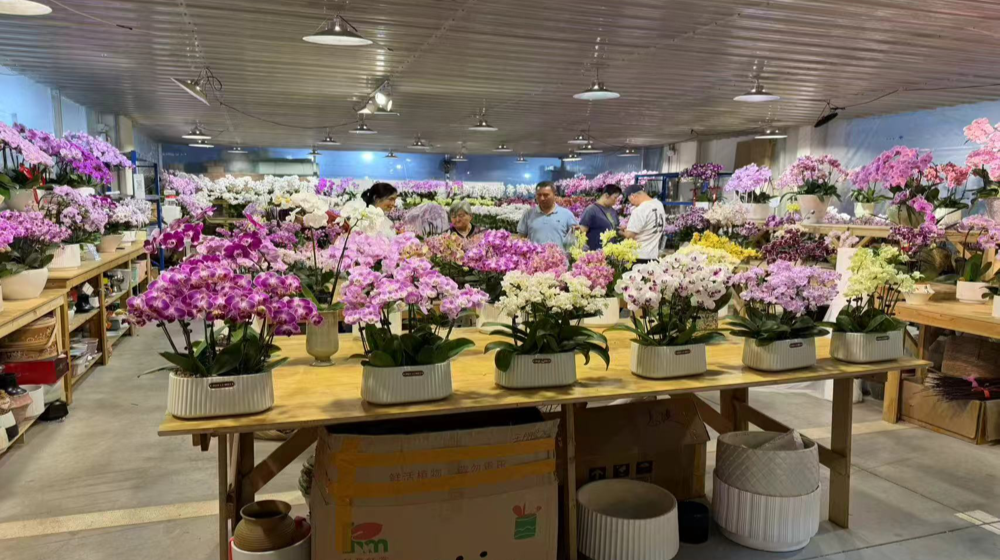
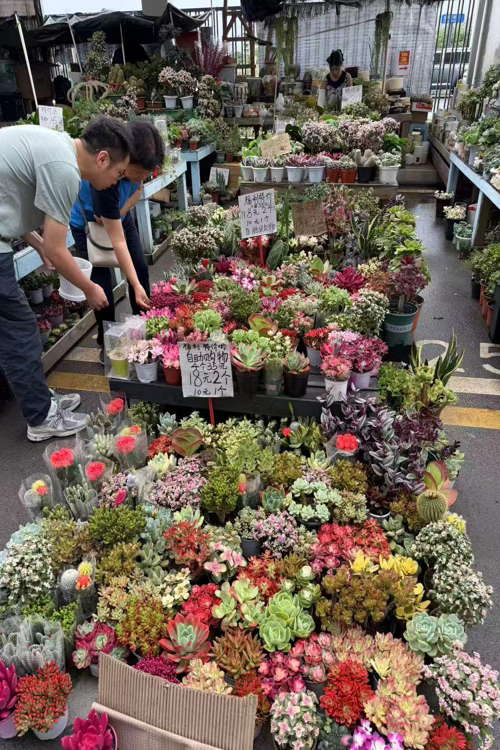
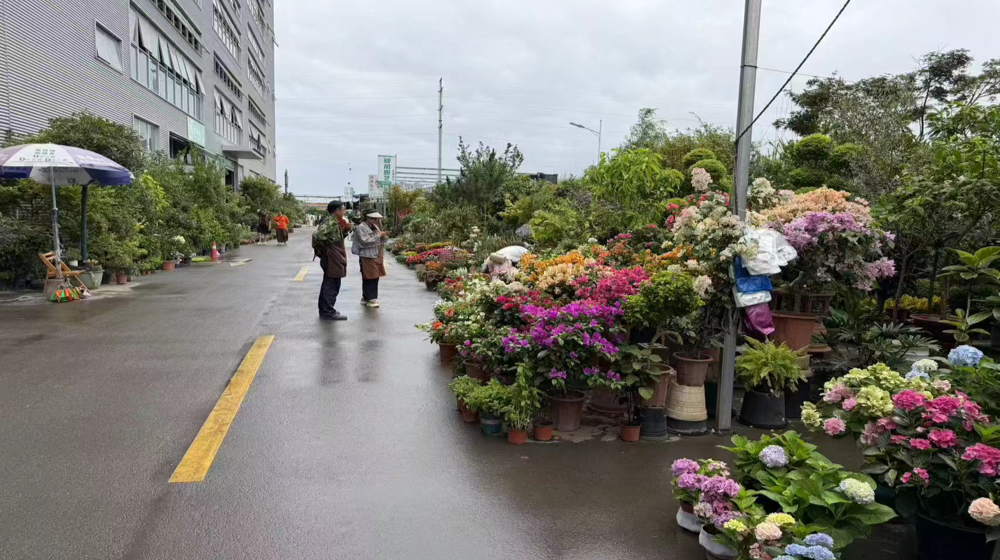
Sansheng Flower Township, located in Chengdu’s Jinjiang District, is a popular rural tourism destination known as the “Five Golden Flowers.”
The area features picturesque villages surrounded by expansive flower fields, countryside scenery, farm stays, restaurants, and relaxing leisure areas.
Visitors can enjoy seasonal flowers, peaceful countryside walks, local cuisine, and photography, making it a pleasant escape from the busy city.
Known as a successful example of Chengdu’s urban-rural integration, Sansheng Flower Township offers visitors an opportunity to experience a quieter side of the region while still remaining conveniently close to the city.
Interested in This Journey?
Contact China Health Getaway to learn more about availability, customization, pricing, and travel arrangements.
Request Information Email Us